


 Centauri Carbon 2 Combo
 Centauri Carbon 2
 Centauri 2 Combo
 Centauri 2
 ELEGOO × emoji® Centauri Carbon 2 Combo
 Centauri Carbon 2 Combo: Desktop Creator Bundle
 OrangeStorm Giga
 OrangeStorm Giga Frequently Bought Together Bundle
 OrangeStorm Giga All-in-One Bundle
 OrangeStorm Giga + 2 × 5 kg Rapid PLA Plus
 Neptune 4 Max
 Neptune 4 Plus
 Neptune 4 Pro
 Neptune 4
 Mars 5 Ultra
 Mars 5
 Mars 4 Ultra
 Mars 4
 Saturn 4 Ultra 16K
 Saturn 4 Ultra
 Saturn 4
 Saturn 3 Ultra
 Jupiter 2
 Jupiter 2 with Mercury Plus V3.0 Bundle
 Jupiter 2 with Mercury XS Bundle
 Jupiter 2 Pro Bundle – Mercury Plus V3.0 & Resin
 Mercury Plus V3.0
 Mercury XS Bundle
 Mercury X Bundle
 Mercury Plus V2.0

 M1 Ultra
 Centauri Carbon 2 Combo + M1 Ultra
 Saturn 4 Ultra 16K + M1 Ultra
 Centauri Carbon 2 Combo + M1 Ultra + 4 kg Filament
 Saturn 4 Ultra 16K + M1 Ultra + 2 kg Resin
 PLA (RFID) emoji® Brand Edition Filament 10 kg
 PLA (RFID) Filament 10 kg
 PLA (RFID) Filament Grey 10 kg
 PLA Basic Filament 10 kg
 PLA Marble Filament 10 kg
 PLA Wood Filament 10 kg
 PETG Glitter
 PPS-CF
 PLA CMYK
 PLA Translucent
 PETG HF
 PLA (RFID) emoji® Brand Edition
 PLA
 PLA Basic Refill
 PLA Plus
 PLA Pro
 Rapid PLA Plus
 3 kg Filament Spool
 Rapid PLA Plus 5 kg Spool
 Mini 250 g Filament Bundle
 PLA Filament 5 kg
 PLA Plus Filament 5 kg
 RAPID PLA Plus Filament 5 kg
 PLA Matte
 PLA Silk
 PLA Galaxy
 PLA Sparkle
 PLA Metallic
 PLA Marble
 PLA Wood
 PLA Glow
 PLA CMYK Filament 10 kg
 PLA Matte Filament 10 kg
 PLA-CF
 PLA-CF Filament 10 kg
 Rapid PETG
 PETG Translucent
 PETG Pro
 PETG-GF
 PETG-CF
 Rapid PETG Filament 10 kg
 PETG HF Filament 10 kg
 PETG Glitter Filament 10 kg
 TPU 95A
 Rapid TPU 95A
 TPU 72D
 PC
 PC-FR
 TPU 95A Filament 10 kg
 Rapid TPU 95A Filament 10 kg
 TPU 72D Filament 10 kg
 PC Filament 10 kg
 PC-FR Filament 10 kg
 ASA
 ASA-CF
 ABS
 ASA Filament 10 kg
 ABS Filament 10 kg
 ASA-CF Filament 10 kg
 PET-CF
 PAHT-CF
 PETG-CF Filament 10 kg
 PETG-GF Filament 10 kg
 PET-CF Filament 10 kg
 H1 HT
 Filament Vacuum Storage Bags Kit (20 Pcs)
 Fast UV Cure Putty
 3D Paint Kit
 PEI Liquid Glue Pack (2 Pcs)
 3D Printer Tool Kit
 Electric Screwdriver Set
 Reusable Spool

 Rapid Standard Resin 12 kg
 8K Standard Resin 12 kg
 Standard Resin V2.0 12 kg
 Standard Resin 12 kg
 ABS-Like Ultra Resin 12 kg
 8K ABS-Like Resin V3.0 12 kg
 8K Water-Washable ABS-Like Resin
 8K Water-Washable Resin V2.0
 Tough Resin
 Water-Washable ABS-Like Resin
 ABS-Like Ultra Resin
 8K Standard Resin
 Rapid Standard Resin
 Standard Resin V2.0
 Standard Resin
 Water-Washable Resin V2.0
 8K Water-Washable Resin
 Water-Washable Resin
 8K Water-Washable ABS-Like Resin 12 kg
 Water-Washable ABS-Like Resin 12 kg
 8K Water-Washable Resin V2.0 12 kg
 Water-Washable Resin V2.0 12 kg
 8K Water-Washable Resin 12 kg
 Water-Washable Resin 12 kg
 8K ABS-Like Resin V3.0
 ABS-Like Resin V3.0 Pro
 ABS-Like Resin V3.0+
 ABS-Like Resin V3.0
 ABS-Like Resin V2.0
 ABS-Like Resin
 Plant-Based Resin
 Standard Plant-Based Resin
 Plant-Based Resin 12 kg
 Tough Resin 12 kg

 CANVAS for Centauri Carbon 2/Centauri 2 Series
 CANVAS for Centauri Carbon
 Marsmate Air Purifier
 Mini Air Purifier 2 Pcs
 USB Air Purifier 2 Pcs
 Activated Carbon Filter for Marsmate
 Mini Heater
 3D Stainless Steel Funnel
 Silicone Mat (2 Pcs)
 For Centauri Series
 For OrangeStorm Giga
 For Neptune 4 Series
 For Neptune 3 Series
 For Mars Series
 For Saturn Series
 For Jupiter Series
 LCD Screen
 Build Plate
 ACF/FEP/PFA
 Resin Tank
 Washing Bucket for Mercury X/XS Bundle
 Washing Bucket for Mercury Plus V2.0
 Honeycomb Panel for Phecda
 Risers for Phecda (8 Pcs)






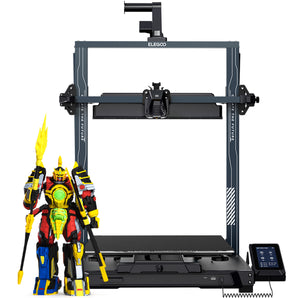

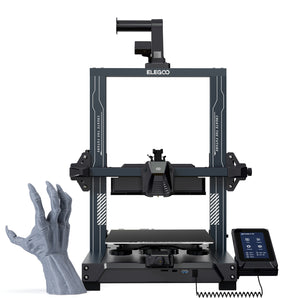


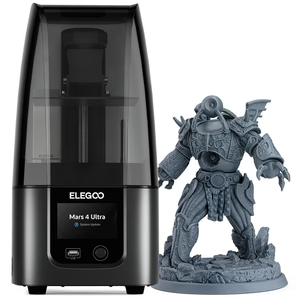
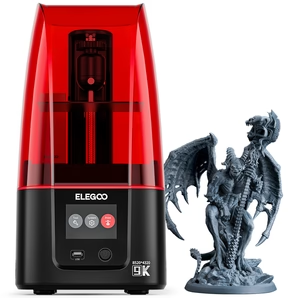

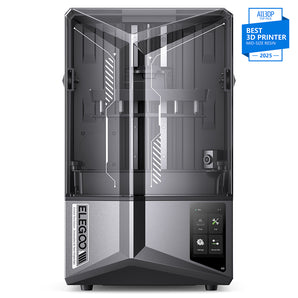
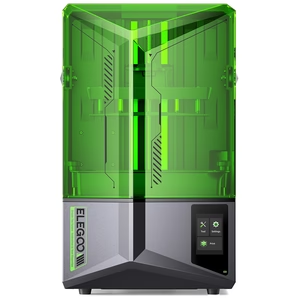






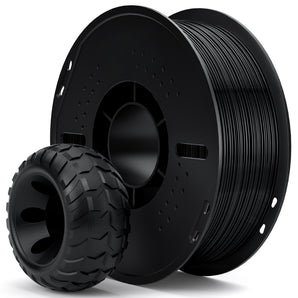


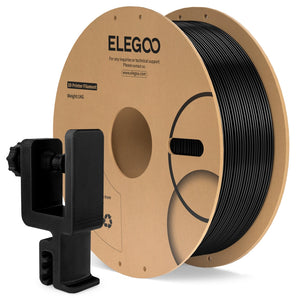



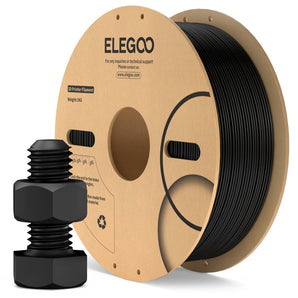


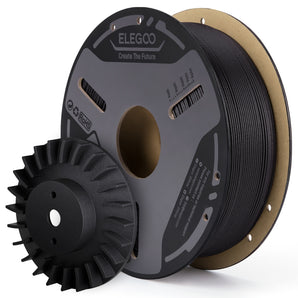





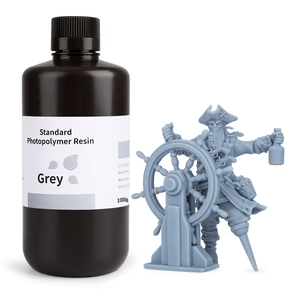
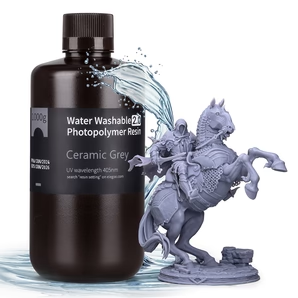
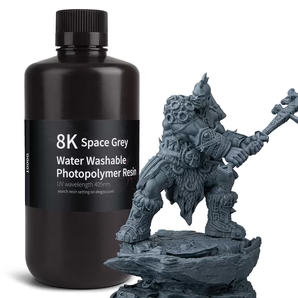


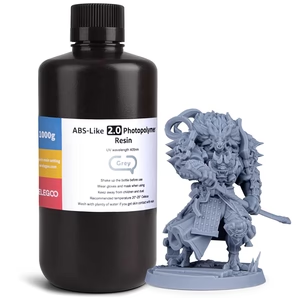
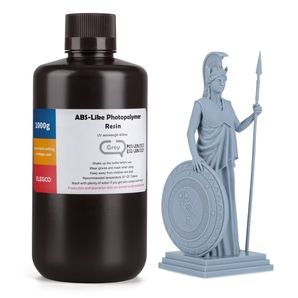
















3D printing is a way to make a physical object from a digital model, usually one thin layer at a time. Say you have an odd-shaped drawer and none of the store-bought dividers fit. You can draw an organiser to match the space, send the design through a program called a slicer, and print a part you can try in the drawer. If it catches on the runner, you can move a wall in the design and print that version.
Three terms you’ll see describe different parts of that job. 3D printing is the process. A 3D printer is the machine that builds the object. A 3D print is the piece you can pick up.
Table of contents
What does “additive manufacturing” mean?
Think about three ways to make a small tray. You could start with a block of wood and cut a pocket into it. That’s subtractive manufacturing. You could inject plastic into a mould shaped like the tray and use the mould over and over. Or you could build the floor and walls of the tray directly from a digital design, adding material where the part needs it. That third approach is additive manufacturing, the technical term you’ll often hear for 3D printing.
The practical difference shows up when you want a change. For a slightly wider printed tray, you edit the file. For a moulded tray, the change may require different tooling. That makes printing especially useful while you’re still figuring out the shape.
What kinds of 3D printers are there?
Two common desktop options are easy to tell apart by what you load. One takes a spool of plastic filament. The other takes a bottle of liquid resin. Industrial printers can also work with powders and other feedstocks. The machine determines which materials you can use.
| Process | How the part forms | Example project |
|---|---|---|
| Filament printing (FDM or FFF) | A heated nozzle lays down softened thermoplastic along a path. | A drawer divider sized to fit around a hinge. |
| Vat resin printing, including LCD/MSLA | Light hardens selected areas of liquid resin. An LCD printer uses a screen to control where the light goes. | A small figure with sculpted hair and fine fabric folds. |
| Polymer powder bed fusion, such as SLS | A laser fuses selected areas in successive layers of polymer powder. | A nylon enclosure ordered from a print service. |
Which material makes sense for your project?
For a rigid indoor organiser, PLA filament is a common starting point on a compatible FDM 3D printer. If you want a bumper that flexes, look at a flexible filament such as TPU and check that your printer supports it. The question to ask is what the part has to do after it leaves the printer. A successful test fit on your desk tells you little about how the same part will behave in a hot car.
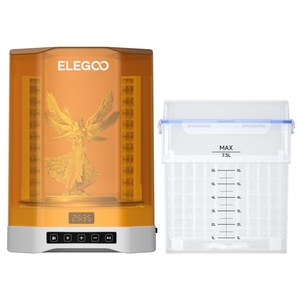
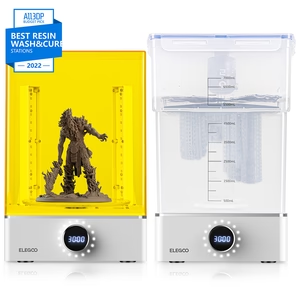
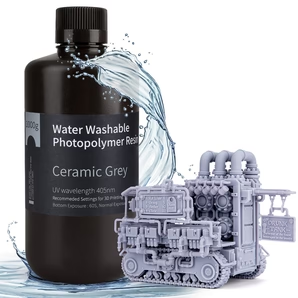
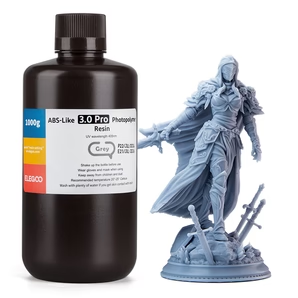
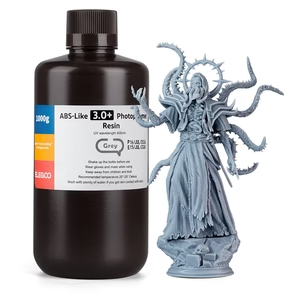
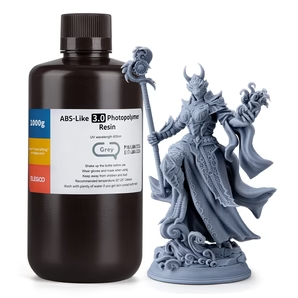
For a miniature you plan to paint, an LCD resin 3D printer is worth a look because it can reproduce small surface details. The resin formulation determines properties such as stiffness and flexibility. Plan bench space for washing and curing the print, and check the resin maker’s handling and ventilation guidance before choosing where to set up. For a metal part, you’d typically look to a service with a suitable metal printing system. Metal-coloured plastic filament still produces a plastic-based print.
What can you make with 3D printing?
Something that fits a particular space. A clip for the cables under your desk is a good example. You can size the channels to the cables you actually own and try the fit before printing a second one.
A model that helps someone see an idea. A building on a screen can look very different once you see its roofline at tabletop scale. An architectural model lets people point to the same entrance or compare two roof designs. At a smaller scale, a sculptor might print just a figure’s head to see whether the expression reads clearly.

A prototype you can test in your hands. A designer working on an electronics case might print only the end panel first. Does the USB plug clear the opening? Can a finger reach the button? One small test piece can answer both questions before the designer commits to the whole enclosure.
When is 3D printing a good fit?
It’s a good fit when the shape is unusual, the quantity is small, or you expect to revise the design. One custom knob for a missing drawer pull is a sensible project. If a hardware store already sells the exact knob you need at a low price, buying it may be faster. For thousands of identical knobs, making a mould can pay off across the production run.
Check the physical limits, too. A part bigger than the printer’s build area must be divided and joined or made on a larger machine. Fine layers can still leave visible lines on a sloped face. A part that looks right may need a different material or print orientation to withstand its intended load. And the cost includes material for supports and failed attempts as well as the object you keep.
What do you need to try it?
Start with a small object you want to make and a model file for it. A ready-made model is fine for a first project. If you have access to a makerspace or library printer, ask which files it accepts and who prepares the print. A print service is another way to hold your design in your hand before deciding whether to buy equipment.
At home, the basic sequence is to find or make the model, slice it for your machine, print it, and finish it as the material requires. Our guide to how 3D printing works shows what happens to the same object at each stage. If you’re budgeting for your own setup, our 3D printer price guide includes materials and the extra equipment you may need for resin.


